

/ News, Forschung
New study: How can car dependency be reduced in rural areas?
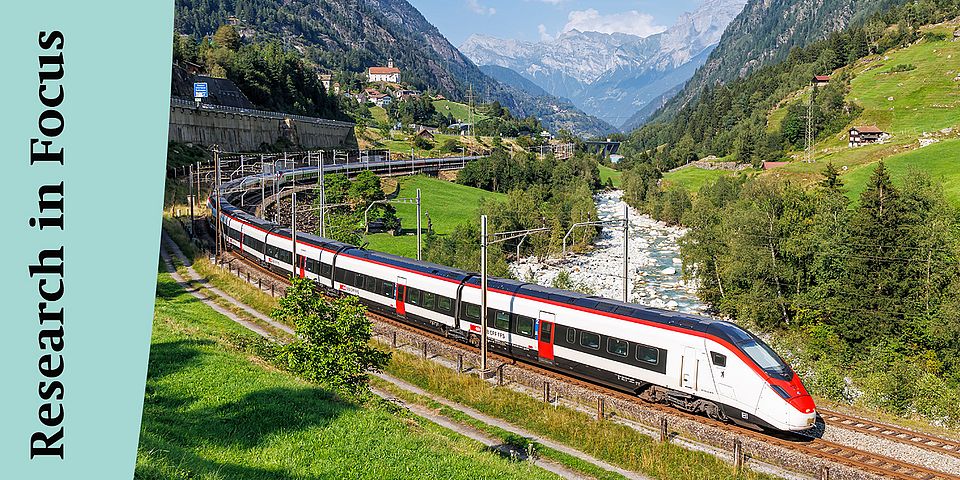
Rural areas remain highly dependent on private cars, posing major challenges for climate and sustainability goals. A new study in sustainability research examines which conditions can encourage people in rural regions to reduce car use.
Key factors include improved public transport services, integrated on-demand mobility options and targeted measures addressing different stages of behavioral change.
In the article “Understanding angles of change to reduce car dependency in rural areas: Evidence from Switzerland”, Mirjam Baumann (ZHAW, co-supervised by Prof. Janina Grabs), Iljana Schubert (University of Basel), Uroš Tomic (ZHAW) and Andrea Del Duce (ZHAW) analyze mobility behavior and attitudes of 973 residents in rural areas of German-speaking Switzerland.
The findings show that:
- The private car remains the dominant mode of transport in rural areas.
- More frequent public transport services and longer operating hours increase the willingness to reduce car use.
- On-demand mobility services can play an important role, especially for first- and last-mile connections, if they are well integrated with public transport.
- People differ strongly in their readiness to change behavior, highlighting the need for targeted, stage-specific measures rather than one-size-fits-all solutions.
- The study provides valuable insights for transport planning and policy, showing how sustainable mobility in rural areas can be promoted more effectively.
Quick Links
Social Media